
Neuigkeiten
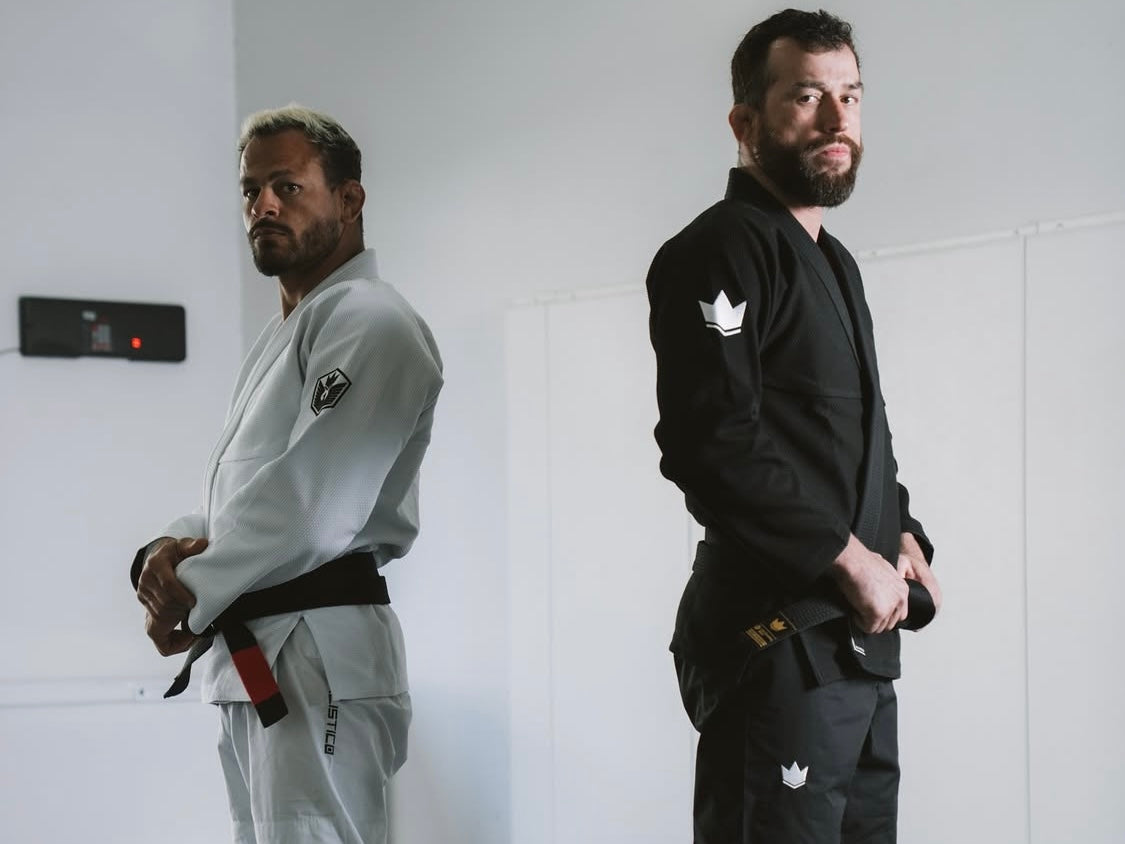
Sprache ist für jede Kultur wichtig, und die Kultur des Brazilian Jiu-Jitsu ist da keine Ausnahme. Wenn du als frischer Weißgurt zum ersten Mal die Jiu-Jitsu-Matte betrittst, kann das einschüchternd sein. Du musst nicht nur eine ganze Welt an Techniken und neuen Bewegungen lernen, sondern auch die Fachsprache, die dazugehört!
Das kennen wir alle. Und ehrlich gesagt: Du wirst es irgendwann lernen. Wie bei jeder anderen Sprache beschleunigt das Eintauchen deine Sprachgewandtheit. Verbringe genug Zeit auf der Matte, und du sprichst im Handumdrehen die „BJJ-Sprache“.
Das heißt aber nicht, dass du dir keinen Vorsprung verschaffen kannst. Für alle proaktiven Schüler haben wir einige der wichtigsten Begriffe zusammengefasst, die du zu Beginn deiner Jiu-Jitsu-Reise kennen solltest. Wie du sehen wirst, sind einige sehr spezifisch, andere etwas allgemeiner. Wichtig ist: So wie sich Kultur weiterentwickelt, entwickelt sich auch die Sprache. Hab Spaß damit und nimm es nie zu ernst.
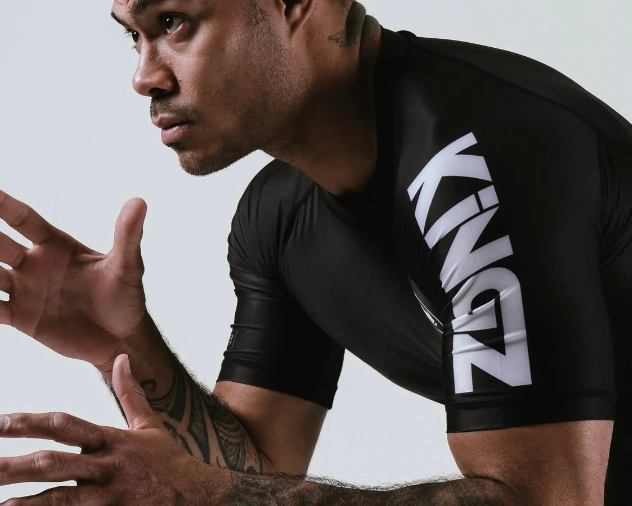
Ringen ist schwer. Na ja, vielleicht nicht für diejenigen in der Jiu-Jitsu-Community, die auf der Ringermatte aufgewachsen sind. Für den Rest von uns ist Ringen aber harte Arbeit. So viel Arbeit, dass Guard ziehen oft die verlockendere Option ist.
Wer seine Ringer-Fähigkeiten vernachlässigt, erweist seinem BJJ-Spiel jedoch einen Bärendienst. Ringen ist nicht nur ein starkes Werkzeug in deinem Arsenal – das heutige Jiu-Jitsu, vor allem im Wettkampf, verlangt es fast schon. Die jüngsten Grappler-Generationen wachsen vielseitiger auf als ihre Vorgänger und integrieren Ringen von Anfang an. Auch wenn du kein eifriger Wettkämpfer bist: Wenn du nicht in deinem eigenen Gym von einem 14-jährigen Wunderkind vorgeführt werden willst, musst du zumindest die Grundlagen kennen.
Genau hier kommen wir ins Spiel. Egal, wo du trainierst und ob dort Ringen im Fokus steht oder nicht – ein paar wichtige Tipps bringen dich weit.

Just last month, one of the biggest and mostly highly-anticipated events in Brazilian jiu-jitsu took place in Las Vegas: the IBJJF Jiu-Jitsu Con. Not only did the event feature many thousands of competitors and spectators, but also a number of companies catering to the jiu-jitsu industry.
The sheer number of vendors was remarkable, and gave testament to the growing industry. Long gone are the days in which the only way to make a living from jiu-jitsu is to open an academy. However, few of those vendors can boast having global status.
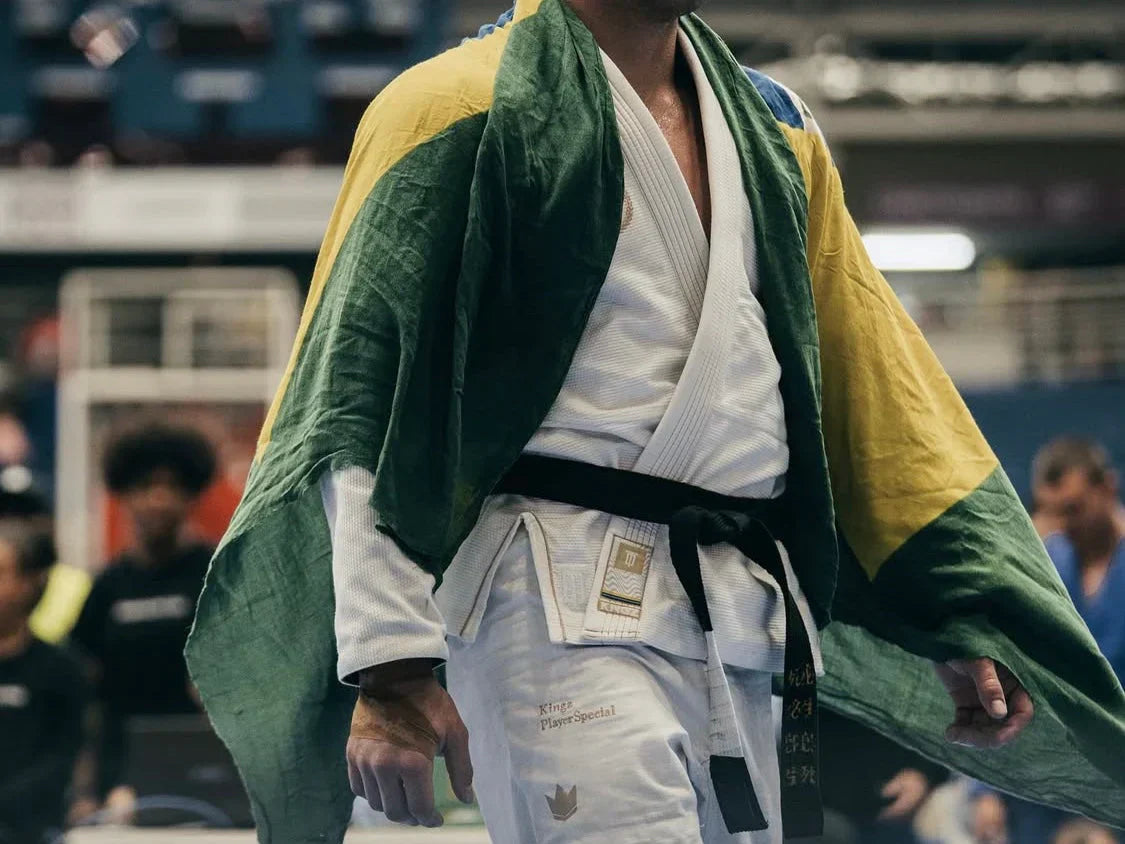
Brazilian jiu-jitsu is inarguably one of the fastest growing sports in the world, with untold millions of people practicing worldwide. But how many of those know the history of this martial art that we love so much?
The roots of grappling-style martial arts run deep... certainly as deep as ancient civilizations, maybe even deeper. Japanese jujutsu and judo are also quite old. However, while there's no denying jiu-jitsu's origins in the Japanese style, specifically the practice of Brazilian jiu-jitsu is really only a century old, if you start with the creation of the very first academy dedicated to the new, evolving offshoot.
And that century is full of momentous events that - combined - have led us to where we are today. You could spend hours upon hours going down the rabbit hole of BJJ's history, but if you want something short and sweet, or you need somewhere to start, we've got you covered.

Injuries are simply a part of the Brazilian jiu-jitsu journey. Whether you're a hardcore competitor or a weekday warrior, you will experience an injury at some point in your career.
Not only is jiu-jitsu such a physically demanding and dynamic sport, but there are so many factors involved that out of your control: your partner's movements, your own reactions, other people on the mat, even simply the accumulation of sweat that can cause you to slip during a pass. Accidents happen all the time. We can only hope that they are relatively minor, requiring some ice and a couple days of rest.
However, if you're unlucky enough to sustain a major injury - one that takes you out of training for weeks, if not months - coming back to the BJJ mat can be daunting. You're out of shape, your joint or limb is weak and underutilized, and your training partners have only become stronger and better in the time you've been gone. If that's the case, you have to be smart about how you return.
