
Nieuws
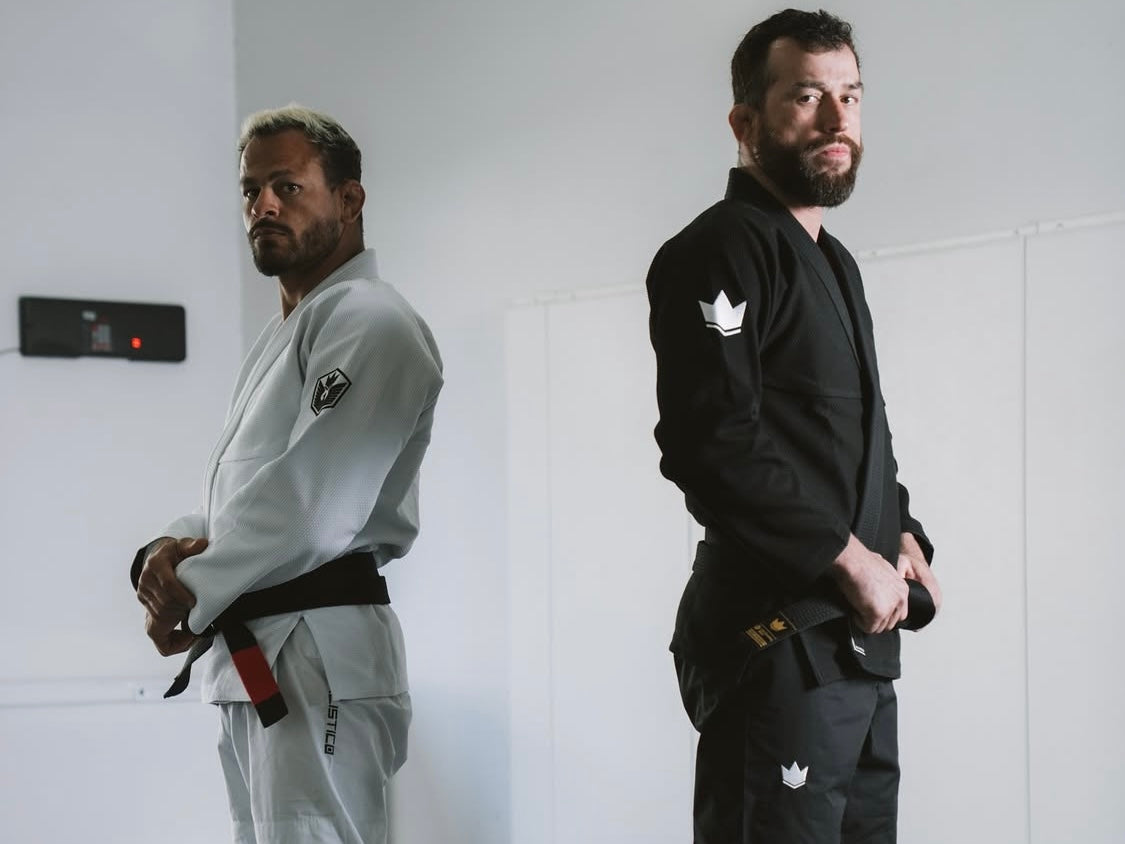
Taal is belangrijk in elke cultuur, en de cultuur van Brazilian jiu-jitsu is daarop geen uitzondering. Als je als gloednieuwe witte band voor het eerst de jiu-jitsu-mat op stapt, kan dat intimiderend zijn. Je moet niet alleen een hele wereld aan technieken en nieuwe bewegingen leren, maar ook de vaktaal die daarbij hoort!
We hebben het allemaal meegemaakt. En eerlijk gezegd: je leert het uiteindelijk wel. Net als bij elke andere taal versnelt onderdompeling je vloeiendheid. Breng genoeg tijd door op de mat en je spreekt in een mum van tijd de "BJJ-taal".
Maar dat betekent niet dat je geen voorsprong kunt nemen. Voor de proactieve leerlingen onder jullie hebben we enkele van de belangrijkste woorden samengevat die je moet kennen als je aan je jiu-jitsu-reis begint. Zoals je zult zien, zijn sommige heel specifiek en andere wat breder. Belangrijk om te onthouden: net zoals cultuur evolueert, evolueert ook taal. Heb er plezier in en neem het nooit te serieus.
Worstelen is moeilijk. Nou ja, misschien niet voor wie in de jiu-jitsu-community op de worstelmat is opgegroeid. Maar voor de rest van ons kost worstelen veel werk. Zoveel werk zelfs, dat guard trekken vaak de aantrekkelijkere optie is.
Toch doe je je BJJ-spel ernstig tekort als je je worstelvaardigheden verwaarloost. Het is niet alleen een krachtig wapen in je arsenaal, het huidige jiu-jitsu – vooral in wedstrijden – vraagt er bijna om. De jongste generaties grapplers groeien veelzijdiger op dan hun voorgangers en nemen worstelen vanaf het begin mee. Dus ook als je geen fanatieke wedstrijdsporter bent: als je niet in je eigen gym alle hoeken van de mat wilt zien door een wonderkind van 14, moet je op zijn minst de basis kennen.
Daar komen wij in beeld. Waar je ook traint en of er nu wel of niet op worstelen wordt gefocust, een paar belangrijke tips helpen je al een heel eind.

Just last month, one of the biggest and mostly highly-anticipated events in Brazilian jiu-jitsu took place in Las Vegas: the IBJJF Jiu-Jitsu Con. Not only did the event feature many thousands of competitors and spectators, but also a number of companies catering to the jiu-jitsu industry.
The sheer number of vendors was remarkable, and gave testament to the growing industry. Long gone are the days in which the only way to make a living from jiu-jitsu is to open an academy. However, few of those vendors can boast having global status.
Brazilian jiu-jitsu is inarguably one of the fastest growing sports in the world, with untold millions of people practicing worldwide. But how many of those know the history of this martial art that we love so much?
The roots of grappling-style martial arts run deep... certainly as deep as ancient civilizations, maybe even deeper. Japanese jujutsu and judo are also quite old. However, while there's no denying jiu-jitsu's origins in the Japanese style, specifically the practice of Brazilian jiu-jitsu is really only a century old, if you start with the creation of the very first academy dedicated to the new, evolving offshoot.
And that century is full of momentous events that - combined - have led us to where we are today. You could spend hours upon hours going down the rabbit hole of BJJ's history, but if you want something short and sweet, or you need somewhere to start, we've got you covered.

Injuries are simply a part of the Brazilian jiu-jitsu journey. Whether you're a hardcore competitor or a weekday warrior, you will experience an injury at some point in your career.
Not only is jiu-jitsu such a physically demanding and dynamic sport, but there are so many factors involved that out of your control: your partner's movements, your own reactions, other people on the mat, even simply the accumulation of sweat that can cause you to slip during a pass. Accidents happen all the time. We can only hope that they are relatively minor, requiring some ice and a couple days of rest.
However, if you're unlucky enough to sustain a major injury - one that takes you out of training for weeks, if not months - coming back to the BJJ mat can be daunting. You're out of shape, your joint or limb is weak and underutilized, and your training partners have only become stronger and better in the time you've been gone. If that's the case, you have to be smart about how you return.
