
Aktualności
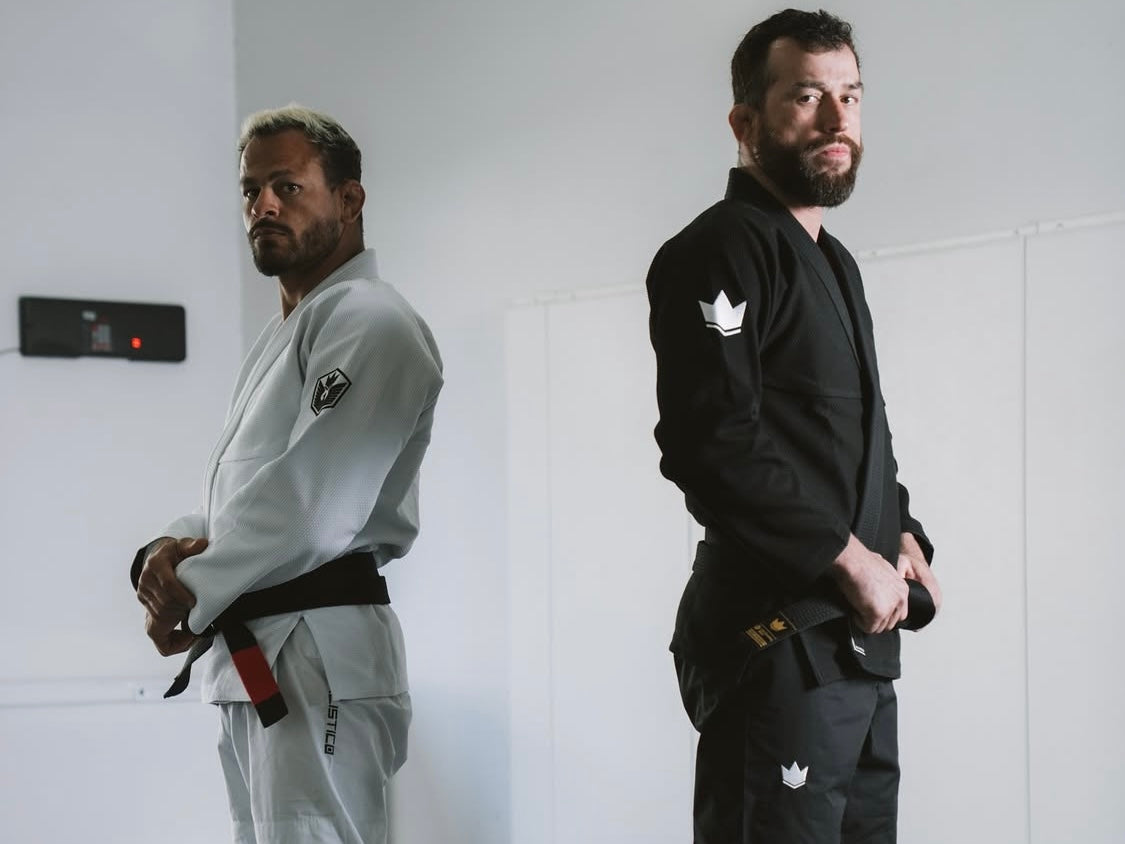
Język jest ważny w każdej kulturze, a kultura Brazilian jiu-jitsu nie jest wyjątkiem. Gdy jako zupełnie nowy biały pas po raz pierwszy wchodzisz na matę, może to onieśmielać. Musisz poznać nie tylko cały świat technik i nowych ruchów, ale też specjalistyczny język, który się z nimi wiąże!
Każdy z nas to przeżył. I szczerze mówiąc, nauczysz się w końcu. Jak w przypadku każdego innego języka, zanurzenie przyspiesza płynność. Spędź wystarczająco dużo czasu na macie, a błyskawicznie zaczniesz mówić „językiem BJJ”.
Nie znaczy to jednak, że nie możesz zacząć wcześniej. Dla najbardziej aktywnych uczniów zebraliśmy najważniejsze słowa, które trzeba znać na początku przygody z jiu-jitsu. Jak zobaczysz, niektóre są bardzo konkretne, a inne nieco bardziej ogólne. Warto pamiętać, że tak jak ewoluuje kultura, ewoluuje też język. Baw się tym i nigdy nie traktuj tego zbyt poważnie.

Zapasy są trudne. No, może nie dla tych w społeczności jiu-jitsu, którzy dorastali na matach zapaśniczych. Ale dla reszty z nas zapasy wymagają mnóstwa pracy. Tak dużo, że wciąganie do gardy często wydaje się bardziej kuszącą opcją.
Zaniedbywanie zapasów to jednak poważna szkoda dla Twojej gry w BJJ. To nie tylko potężne narzędzie w Twoim arsenale — dzisiejsze jiu-jitsu, zwłaszcza sportowe, wręcz tego wymaga. Najmłodsze pokolenia grapplerów dorastają na macie bardziej wszechstronne niż ich poprzednicy i od samego początku włączają zapasy do swojej gry. Nawet jeśli nie startujesz regularnie w zawodach, a nie chcesz, by 14-letni talent rozłożył Cię na łopatki w Twojej własnej sali, musisz znać przynajmniej podstawy.
I tu wkraczamy my. Bez względu na to, gdzie trenujesz i czy kładzie się tam nacisk na zapasy, kilka kluczowych wskazówek bardzo Ci pomoże.

Just last month, one of the biggest and mostly highly-anticipated events in Brazilian jiu-jitsu took place in Las Vegas: the IBJJF Jiu-Jitsu Con. Not only did the event feature many thousands of competitors and spectators, but also a number of companies catering to the jiu-jitsu industry.
The sheer number of vendors was remarkable, and gave testament to the growing industry. Long gone are the days in which the only way to make a living from jiu-jitsu is to open an academy. However, few of those vendors can boast having global status.
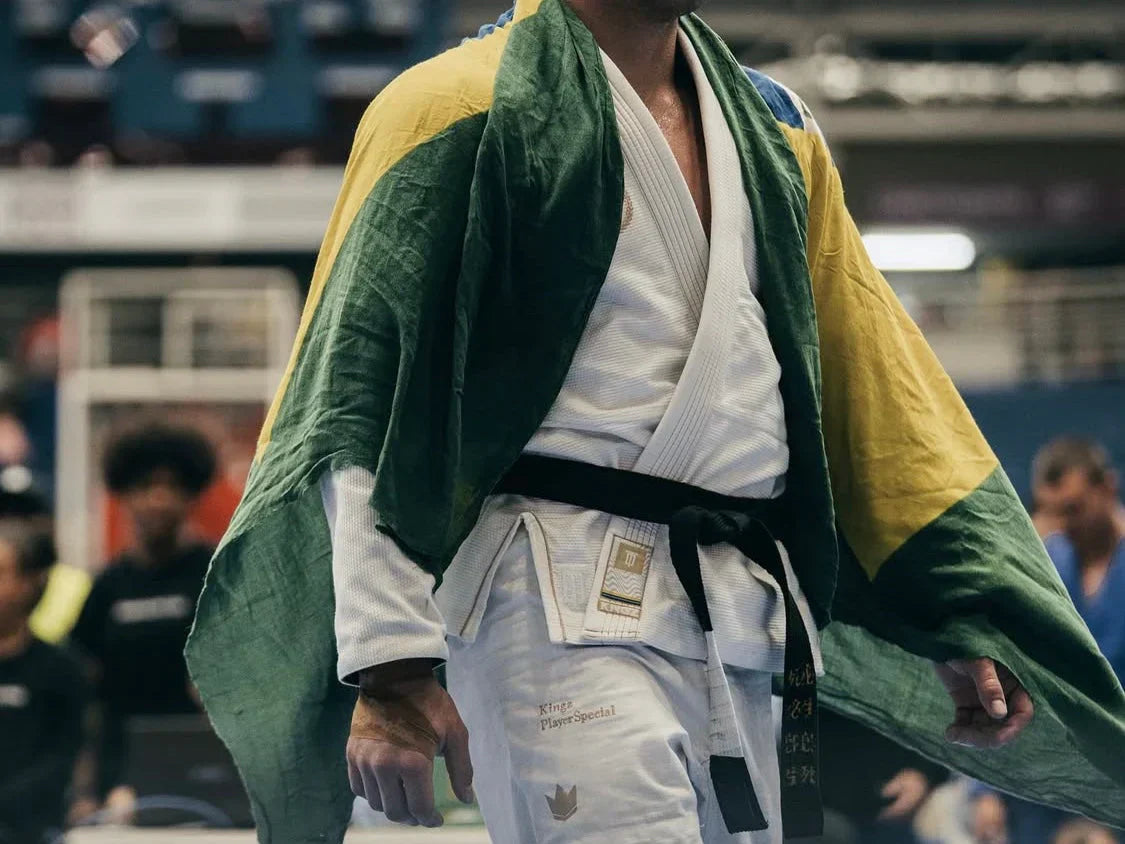
Brazilian jiu-jitsu is inarguably one of the fastest growing sports in the world, with untold millions of people practicing worldwide. But how many of those know the history of this martial art that we love so much?
The roots of grappling-style martial arts run deep... certainly as deep as ancient civilizations, maybe even deeper. Japanese jujutsu and judo are also quite old. However, while there's no denying jiu-jitsu's origins in the Japanese style, specifically the practice of Brazilian jiu-jitsu is really only a century old, if you start with the creation of the very first academy dedicated to the new, evolving offshoot.
And that century is full of momentous events that - combined - have led us to where we are today. You could spend hours upon hours going down the rabbit hole of BJJ's history, but if you want something short and sweet, or you need somewhere to start, we've got you covered.

Injuries are simply a part of the Brazilian jiu-jitsu journey. Whether you're a hardcore competitor or a weekday warrior, you will experience an injury at some point in your career.
Not only is jiu-jitsu such a physically demanding and dynamic sport, but there are so many factors involved that out of your control: your partner's movements, your own reactions, other people on the mat, even simply the accumulation of sweat that can cause you to slip during a pass. Accidents happen all the time. We can only hope that they are relatively minor, requiring some ice and a couple days of rest.
However, if you're unlucky enough to sustain a major injury - one that takes you out of training for weeks, if not months - coming back to the BJJ mat can be daunting. You're out of shape, your joint or limb is weak and underutilized, and your training partners have only become stronger and better in the time you've been gone. If that's the case, you have to be smart about how you return.
