
Notizie
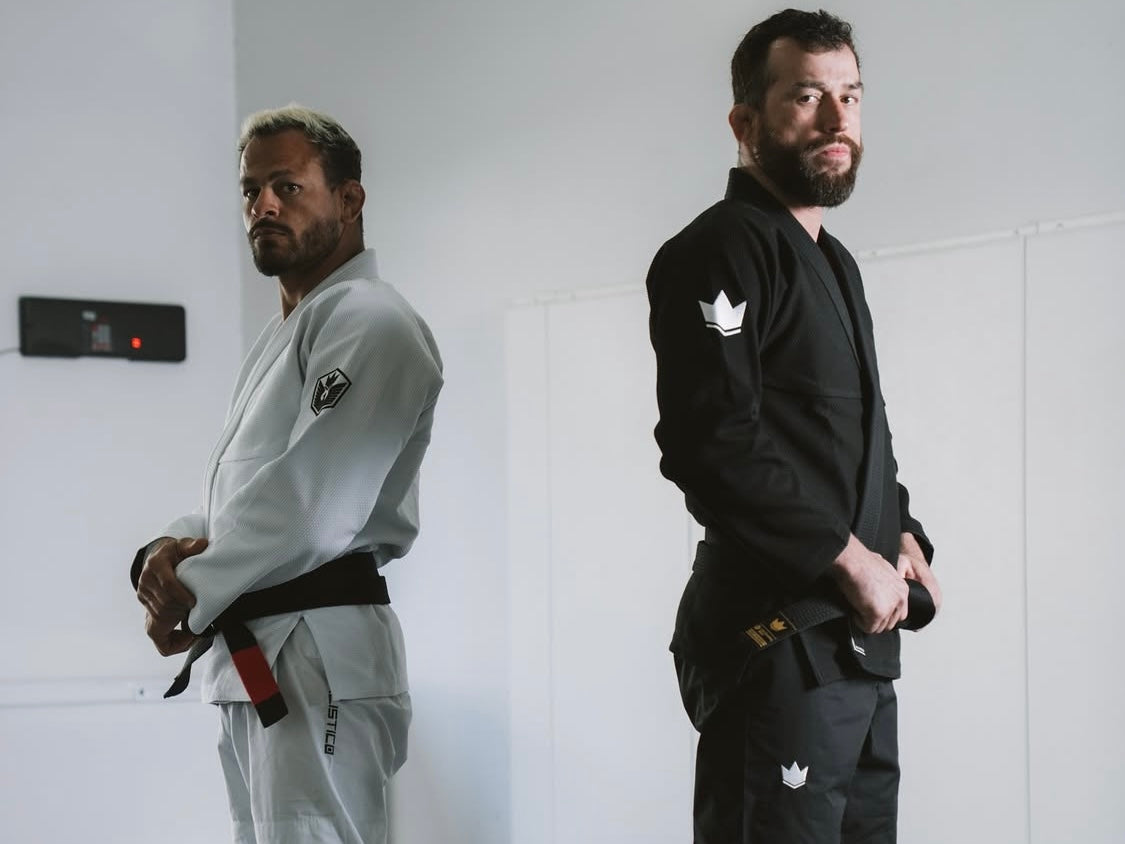
Il linguaggio è importante in ogni cultura, e quella del Brazilian jiu-jitsu non fa eccezione. Quando sei una cintura bianca alle prime armi e metti piede sul tatami per la prima volta, può intimidire. Non devi imparare solo un mondo di tecniche e nuovi movimenti, ma anche il linguaggio specifico che li accompagna!
Ci siamo passati tutti. E, francamente, lo imparerai, prima o poi. Come per qualsiasi altra lingua, l'immersione accelera la scioltezza. Passa abbastanza tempo sul tatami e parlerai la "lingua del BJJ" in un attimo.
Ma questo non significa che tu non possa partire avvantaggiato. Per gli studenti più intraprendenti, abbiamo riassunto alcune delle parole più importanti che dovrai conoscere all'inizio del tuo percorso nel jiu-jitsu. Come vedrai, alcune sono molto specifiche, altre un po' più generali. L'importante è ricordare che, così come la cultura si evolve, si evolve anche il linguaggio. Divertiti e non prenderla mai troppo sul serio.

La lotta è difficile. Beh, forse non per chi, nella comunità del jiu-jitsu, è cresciuto sui materassini della lotta. Ma per tutti gli altri, la lotta richiede molto lavoro. Così tanto che tirare la guardia è spesso l'opzione più allettante.
Tuttavia, trascurare la lotta fa un pessimo servizio al tuo gioco di BJJ. Non solo è uno strumento potentissimo per il tuo arsenale, ma il jiu-jitsu di oggi, soprattutto quello agonistico, quasi lo richiede. Le nuove generazioni di grappler crescono sul tatami più complete dei loro predecessori, integrando la lotta fin dall'inizio. Quindi, anche se non sei un agonista accanito, se non vuoi farti dominare nella tua palestra da un fenomeno di 14 anni, devi conoscere almeno le basi.
Ed è qui che entriamo in gioco noi. Ovunque ti alleni, che lì si punti sulla lotta o meno, qualche consiglio chiave ti porterà lontano.

Just last month, one of the biggest and mostly highly-anticipated events in Brazilian jiu-jitsu took place in Las Vegas: the IBJJF Jiu-Jitsu Con. Not only did the event feature many thousands of competitors and spectators, but also a number of companies catering to the jiu-jitsu industry.
The sheer number of vendors was remarkable, and gave testament to the growing industry. Long gone are the days in which the only way to make a living from jiu-jitsu is to open an academy. However, few of those vendors can boast having global status.
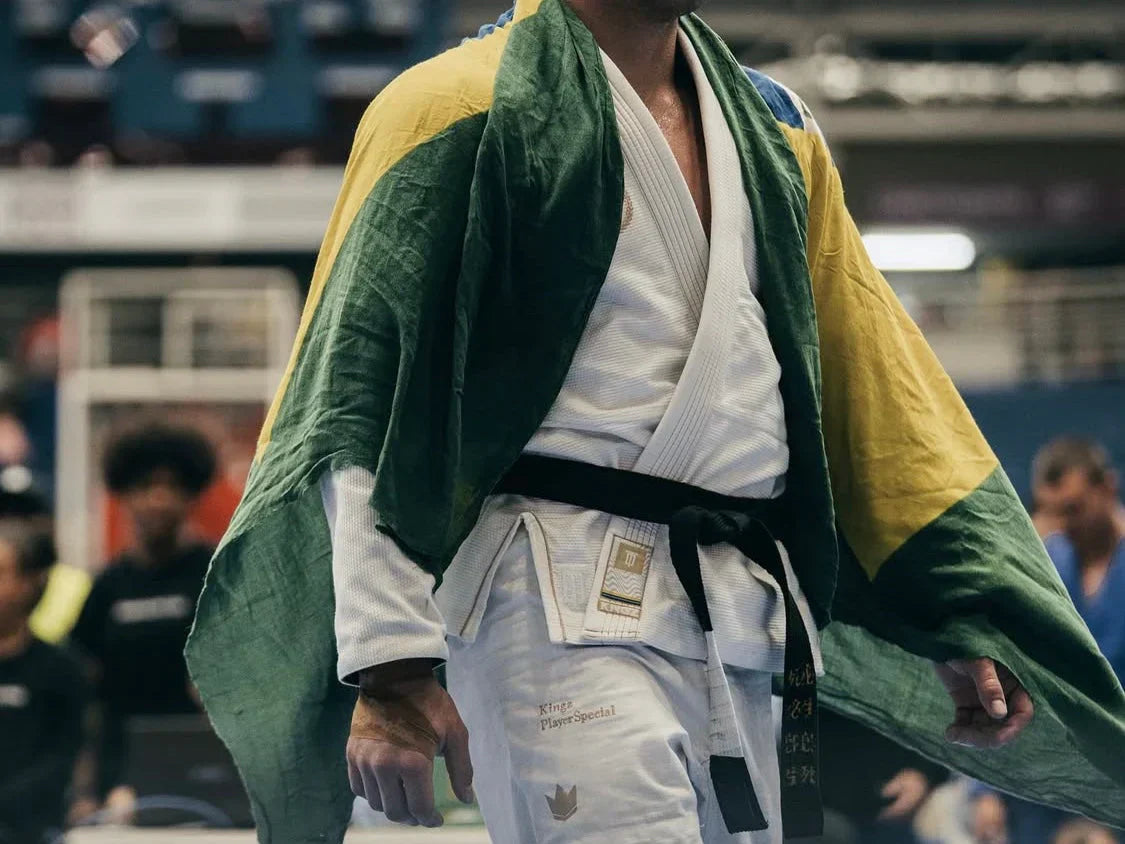
Brazilian jiu-jitsu is inarguably one of the fastest growing sports in the world, with untold millions of people practicing worldwide. But how many of those know the history of this martial art that we love so much?
The roots of grappling-style martial arts run deep... certainly as deep as ancient civilizations, maybe even deeper. Japanese jujutsu and judo are also quite old. However, while there's no denying jiu-jitsu's origins in the Japanese style, specifically the practice of Brazilian jiu-jitsu is really only a century old, if you start with the creation of the very first academy dedicated to the new, evolving offshoot.
And that century is full of momentous events that - combined - have led us to where we are today. You could spend hours upon hours going down the rabbit hole of BJJ's history, but if you want something short and sweet, or you need somewhere to start, we've got you covered.

Injuries are simply a part of the Brazilian jiu-jitsu journey. Whether you're a hardcore competitor or a weekday warrior, you will experience an injury at some point in your career.
Not only is jiu-jitsu such a physically demanding and dynamic sport, but there are so many factors involved that out of your control: your partner's movements, your own reactions, other people on the mat, even simply the accumulation of sweat that can cause you to slip during a pass. Accidents happen all the time. We can only hope that they are relatively minor, requiring some ice and a couple days of rest.
However, if you're unlucky enough to sustain a major injury - one that takes you out of training for weeks, if not months - coming back to the BJJ mat can be daunting. You're out of shape, your joint or limb is weak and underutilized, and your training partners have only become stronger and better in the time you've been gone. If that's the case, you have to be smart about how you return.
